When it comes to cooking, the right knife can make all the difference! Saving time, improving precision, and making food prep feel effortless. Here’s a quick guide to help you slice through the confusion:

1. Chef’s Knife – Your Everyday Workhorse
If you only have one knife, make it this one. A good chef’s knife handles just about everything—chopping vegetables, slicing meats, even mincing herbs.

2. Paring Knife – For the Small Stuff
Peeling apples? Deveining shrimp? Trimming strawberries? A paring knife gives you control for all those detailed, delicate tasks.

3. Serrated Knife – Soft Inside, Tough Outside
Think crusty bread, tomatoes, or citrus. That saw-toothed edge slices without squishing—perfect for anything with a tough outside and soft center.

4. Boning Knife – Precision for Proteins
Boning knives are thin and flexible, great for trimming fat, removing skin, or getting meat off the bone cleanly.

5. Santoku Knife – Veggie Prep Powerhouse
Similar to a chef’s knife but often lighter and shorter, the Santoku is excellent for dicing, slicing, and chopping vegetables with finesse.

Final Tip:
Don’t forget to hold the knife in your hand before you buy—comfort and balance are key! Remember, a sharp knife is always safer than a dull one, no matter the type. Whether you’re prepping a feast or just slicing a sandwich, the right knife helps you do it with ease!
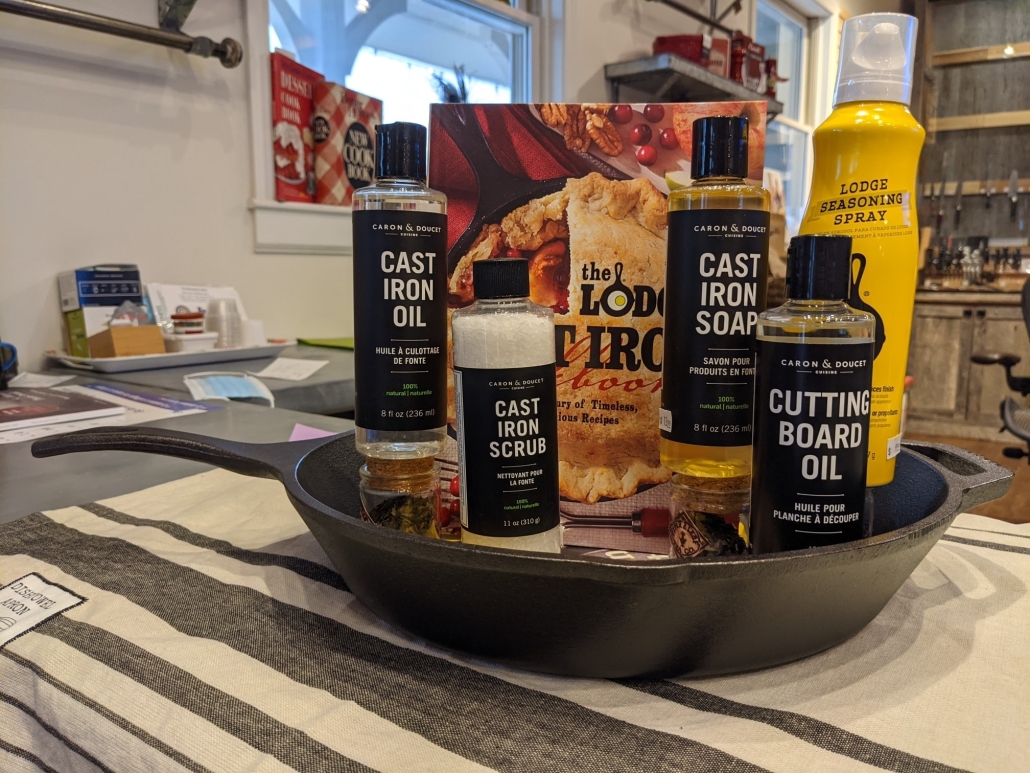
There’s just something special about cooking with cast iron. Whether you’re searing a steak, baking cornbread, or whipping up a cozy one-skillet meal, Lodge cast iron delivers serious flavor and unmatched durability. But like any great relationship, cast iron cookware thrives with a little TLC.

At Cashiers Kitchen, we carry a wide selection of Lodge cast iron cookware — from classic skillets to Dutch ovens and grill pans. And we’re here to help you take care of it every step of the way.


Step 1: Clean It Right

Yes, you can use soap. The myth that soap ruins cast iron is just that — a myth. Here’s how to clean your Lodge pan after cooking:

  1. Wash by hand with warm water and a small amount of mild dish soap.
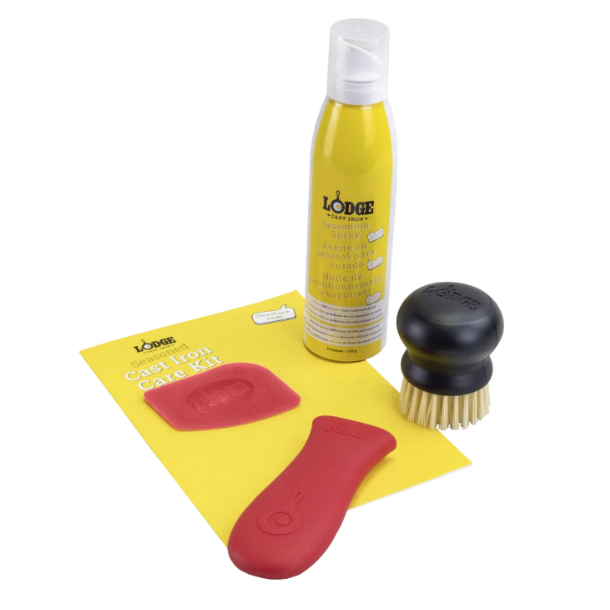
  2. Use a Lodge pan scraper (available in-store) to lift stuck-on food without damaging the seasoning.
  3. For stubborn messes, simmer a little water in the pan for a few minutes, let it cool, then scrape.


Step 2: Dry Completely

Cast iron hates lingering moisture — it leads to rust. So after rinsing:

  • Dry immediately with a lint-free cloth or paper towel.
  • Set the pan on a warm burner for a few minutes to evaporate any remaining moisture.

Step 3: Oil and Love

Once dry, it’s time to protect your pan and build that signature non-stick surface:

  1. Apply a very light layer of oil — vegetable oil, canola, or our favorite: Lodge Seasoning Spray (available in-store).
  2. Use a paper towel to wipe the pan until no oily residue remains.
  3. Store it in a dry place until your next delicious creation.


Bonus Tips for Cast Iron Success

  • Avoid the dishwasher. Always hand wash.
  • Skip soaking. Sitting in water is a no-go.
  • Cook often. The more you use it, the better it gets.
  • Re-season when needed. If your pan looks dull or feels sticky, clean it and give it a fresh oil rub, then bake at 350°F for an hour.

Cast Iron, Made to Last

With just a little care, your Lodge cookware can last for generations. Whether you’re cooking over gas, induction, campfire, or oven, it’s a reliable kitchen workhorse that only gets better with time. Have a favorite cast iron recipe or cleaning trick? Drop by and share it — we love trading tips with fellow food lovers!